
Can a removalist get my sofa up a Bondi art-deco walk-up? The stairwell, the landing turn, and when to dismantle
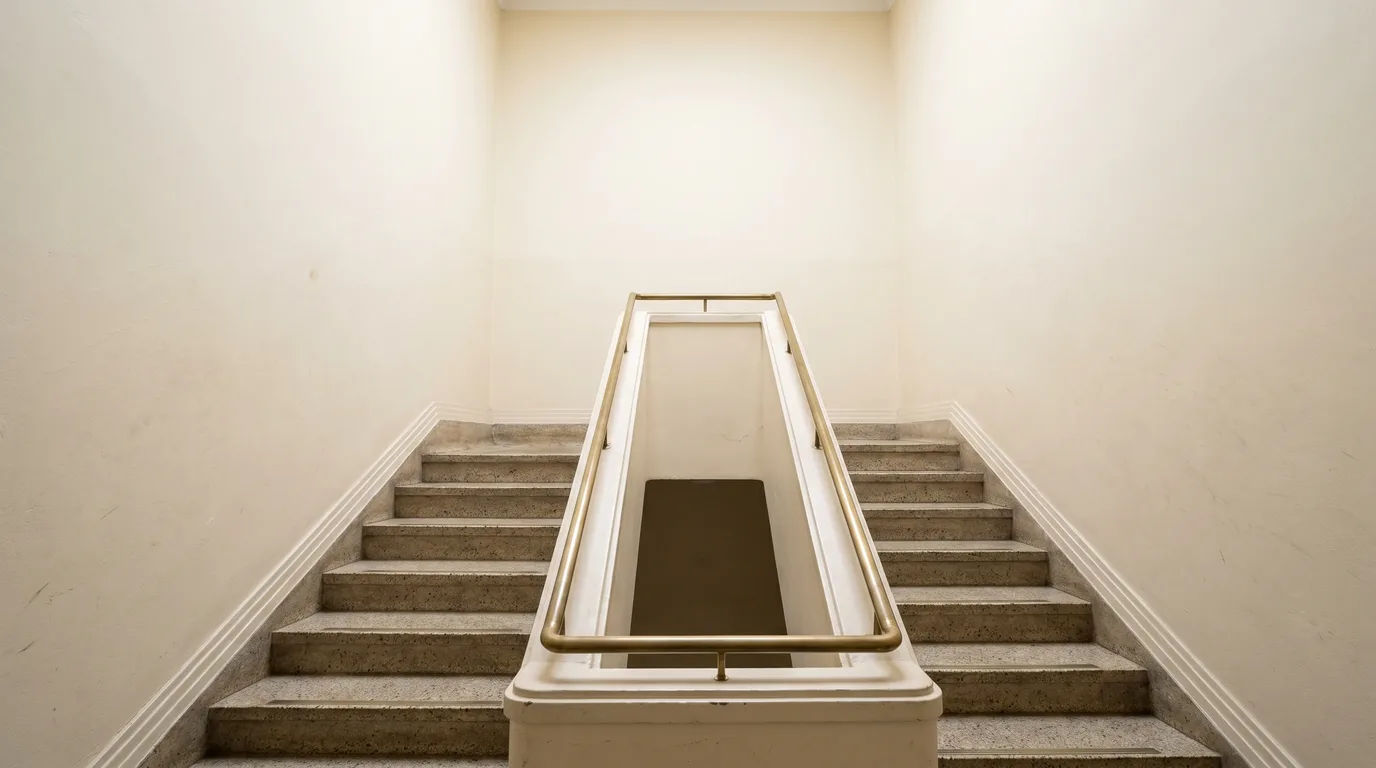
Ask anyone who has moved in or out of a Bondi Beach flat what the hard part was, and almost none of them will say the truck or the parking. They will say the stairs. More precisely, they will say the one tight turn near the top where the sofa got stuck. That moment is the real Bondi move, and it is far more predictable than it looks.
Bondi is a walk-up suburb, by the numbers
This is not a vibe, it is the housing stock. By the 2021 Census about 86 per cent of homes in Bondi Beach are flats, and a large part of that is the cream three-storey apartment blocks behind Campbell Parade. Those blocks went up in a building boom that began once the sand dunes were cleared around 1920 and ran through the 1920s, 30s and early 40s, in the inter-war Art Deco and functionalist styles that still define the beachfront. Many now sit in heritage and conservation areas under Waverley Council, which is part of why they have changed so little.
The relevant point for a move is simple: these are walk-ups. Built before lifts were standard in low-rise blocks, most have none, and the stairwell is original. So the typical Bondi move is a household carried up or down two or three flights of stairs that were never designed around a queen mattress.
The stairs are not the problem. The turn is.
Here is the thing people get wrong. A straight flight of stairs is easy. Two movers can walk almost anything up a clear, straight run, however long it is. What actually stops furniture is the landing turn: the point where the staircase doubles back on itself, and a long item has to pivot around a ninety-degree or hairpin corner, often with a low ceiling or a light fitting right above the turn.
An original art-deco stairwell tends to have narrow landings and a tight return, because floor space went to the flats, not the common stairs. That is where a three-seater sofa, a sofa bed, a tall wardrobe or a king mattress meets its limit. The question is never “how many flights,” it is “does this piece make the turn whole, or does it come apart first.” Get that answer before move day and the carry is calm. Discover it halfway up with the truck on the kerb and you have lost an hour.
How a good crew plans the stairwell
The work happens before the day, with a tape measure. We check three numbers against your biggest pieces:
- The landing turn: the diagonal clearance through the tightest corner of the stairwell, including the headroom above it.
- The doorways: the flat’s entry door and any internal doors the piece has to pass, measured on the diagonal, not just the width.
- The piece itself: the true dimensions of each large or solid item, sofa, wardrobe, bed frame, fridge, mattress.
If the piece makes the turn, it goes up whole. If it does not, it comes apart. Flat-pack wardrobes, bed frames and modular lounges are built to be dismantled and reassembled, and a crew that does walk-ups carries the tools and the time for it. Solid-timber and antique pieces are assessed one at a time, because some are better protected and angled than taken apart. Either way, the plan is made in advance, not improvised on the staircase.
Why the stairs set the price, honestly
Carrying a whole household up three flights simply takes longer than rolling it across a ground floor, and a removal quote follows time and effort. There is also a safety reason a good crew will not just sprint it: carrying heavy, awkward loads up and down stairs is a recognised manual-handling risk. SafeWork NSW lists high force, awkward posture and repetitive movement as the things that injure people doing hazardous manual tasks, and its code of practice uses the very example of “using a flight of stairs while handling large boxes.” A crew that paces the carry, uses trolleys and straps, and dismantles what needs dismantling is not being slow. It is doing the job in a way that protects your furniture, the stairwell, and the people carrying it.
This is also a reason to use a removalist that trains for it. The Australian Furniture Removers Association, the industry’s peak body, accredits members on compliance, work-health-and-safety training and equipment standards, which is exactly the difference between a planned walk-up carry and two people guessing on the landing.
What you can do to make it quick
Most of a smooth walk-up move is set before anyone lifts a box:
- Pack tight and labelled. The less the crew works out on the stairs, the fewer trips and the less time on a busy kerb.
- Clear the stairwell first. Your own boxes on the landing are the most common self-inflicted delay.
- Name the big and solid items up front. A wardrobe, a sofa bed, a piano, a full-height fridge: tell us, so the dismantle-or-angle decision is made before the day, not on the third-floor turn.
A Bondi walk-up move is one of the most planned jobs we do, and that is exactly why it goes smoothly: the stairs are known, the turn is measured, and the big pieces have a plan before the truck arrives. If you want a read on your own building, run it through the loading & permit planner, or just ask for a quote and tell us the floor and the staircase, and we will tell you how we would carry it.
Dwelling figures are from the ABS 2021 Census for Bondi Beach and describe the suburb, not any one building. Manual-handling guidance is summarised from SafeWork NSW; your removalist manages the work-health-and-safety duty on the day. Heritage and conservation status is set by Waverley Council and varies by building.
Common questions
Will my furniture fit up an old Bondi walk-up staircase?
Usually, but the staircase is the thing to check, not the flat. The flights themselves are rarely the problem. The pinch point is the landing turn near the top, where the staircase doubles back and a long item has to pivot around a corner with a low ceiling above it. We measure that turn and the doorways against your biggest pieces before move day, so the answer is settled before the truck arrives, not discovered on the stairs.
Will you take my wardrobe or bed apart to get it up the stairs?
Yes, when the measurements say it will not make the turn whole. Flat-pack wardrobes, bed frames and modular sofas are designed to come apart and go back together; solid-timber and antique pieces are assessed individually. We bring the tools for it and reassemble at the other end. Telling us in advance which items are large or solid lets us plan the dismantling into the day instead of stopping mid-carry.
Does a third-floor walk-up cost more to move than a ground-floor flat?
It can, because price follows time and effort, and carrying a household up two or three flights takes longer than wheeling it across a ground floor. Stairs are recognised as a genuine manual-handling risk factor, so a sensible crew works at a safe, sustainable pace rather than rushing. The honest way to price it is on the real access at both ends, which is why we ask about floors, lifts and stairs when we quote. SafeWork NSW: hazardous manual tasks.
Why do so many Bondi flats have no lift?
Because most of them are inter-war buildings. The three-storey walk-ups that define Bondi Beach went up through the 1920s, 30s and early 40s, before lifts were standard in low-rise blocks, and many are now in heritage and conservation areas, so the stairs are part of the building and are staying. About 86 per cent of homes in Bondi Beach are flats by the 2021 Census, and a large share of those are these original walk-ups. ABS 2021 Census, Bondi Beach.
How do I make a walk-up move go faster?
Pack tight and labelled, clear the stairwell of your own boxes before the crew arrives, and tell the removalist about every large or solid item up front. A clear, measured stairwell with a known plan for the big pieces is the single biggest thing that keeps a walk-up move on time, because the crew is never stopping to work out what comes next or whether something fits.
Planning a move?
Get a free, no-obligation quote and we'll plan the access at both ends with you.
Get a quote